
Burn injuries in the workplace can be devastating, both physically and emotionally. Navigating the complexities of workers’ compensation claims on your own can be overwhelming, especially during recovery. A knowledgeable workers’ comp lawyer can be an invaluable resource in ensuring you receive the benefits and support you deserve. With their expertise, they can help you understand your rights, manage paperwork, and advocate on your behalf, allowing you to focus on healing.
Getting a Burn Injury at Work
Certain industries and fields are more prone to workplace burn injuries due to the nature of their work environment and processes. Employees in construction and manufacturing, where heavy machinery and welding tools are frequently used, often face the risk of burns. Similarly, those working in kitchens, such as chefs and cooks, are at risk due to open flames and hot surfaces. Other susceptible fields include firefighting, where exposure to extreme heat is a constant hazard, and chemical processing industries, where handling hazardous substances can lead to chemical burns. Understanding these risks is crucial for implementing effective safety measures and ensuring the well-being of workers.
The Impact of Burn Injuries at Work
Experiencing a burn injury on the job can be both physically and emotionally overwhelming. It’s vital to focus on recovery, yet understanding the nuances of workers’ compensation claims is also crucial.
Burn injuries can significantly impact an individual’s ability to work. The immediate physical pain and potential for long-term damage often require time away from work for treatment and healing. This time off can lead to financial strain if compensation claims are not managed properly. Additionally, burn injuries may lead to psychological effects such as anxiety or trauma, making it challenging to return to the same work environment.
In some cases, severe burns might result in permanent disabilities, necessitating a change in job roles or even a complete career shift. This adds another layer of complexity to the recovery process, as individuals must adapt to new physical limitations and potentially acquire new skills. Employers and colleagues may need to provide additional support and accommodations to facilitate a smooth transition back to work. Overall, burn injuries can present significant hurdles, but with the right support and resources, affected individuals can work towards regaining their professional and personal stability.
The Role of a Workers’ Comp Lawyer
A workers’ comp lawyer plays a crucial role in guiding injured employees through the often complex and overwhelming process of filing a claim. Beyond ensuring that paperwork is submitted accurately and punctually, these legal professionals conduct thorough investigations to collect vital evidence that supports the worker’s claim. They scrutinize medical records, gather witness statements, and collaborate with medical experts to build a strong case.
In addition to handling the initial filing, workers’ comp lawyers are skilled negotiators who advocate for fair settlements with insurance companies, often dealing with tactics aimed at minimizing payouts. They provide representation in hearings or court proceedings if disputes arise, ensuring that the worker’s voice is heard and their rights are upheld.
Moreover, these lawyers offer guidance on potential additional claims or benefits the injured worker may be entitled to, such as permanent disability or vocational rehabilitation. By providing comprehensive support and expert advice, workers’ comp lawyers help employees focus on recovery while securing the financial compensation they deserve.
Focusing on Recovery
Partnering with a skilled attorney can alleviate the stress of the claims process. This partnership allows injured workers to concentrate on healing while their legal representative fights for their rightful compensation.
Conclusion
In the aftermath of a workplace burn injury, securing the guidance of a workers’ comp lawyer can make a significant difference in navigating the road to recovery. These legal professionals offer the clarity and support needed to ensure that injured workers receive the compensation and benefits essential for rebuilding their lives. By shouldering the burden of the complex claims process, lawyers enable individuals to focus on what truly matters—healing and regaining both personal and professional stability. With the right resources and representation, overcoming the challenges posed by such injuries becomes a more attainable goal.
For more information, contact our office.
When to Call a Lawyer for Your Workers’ Comp Claim
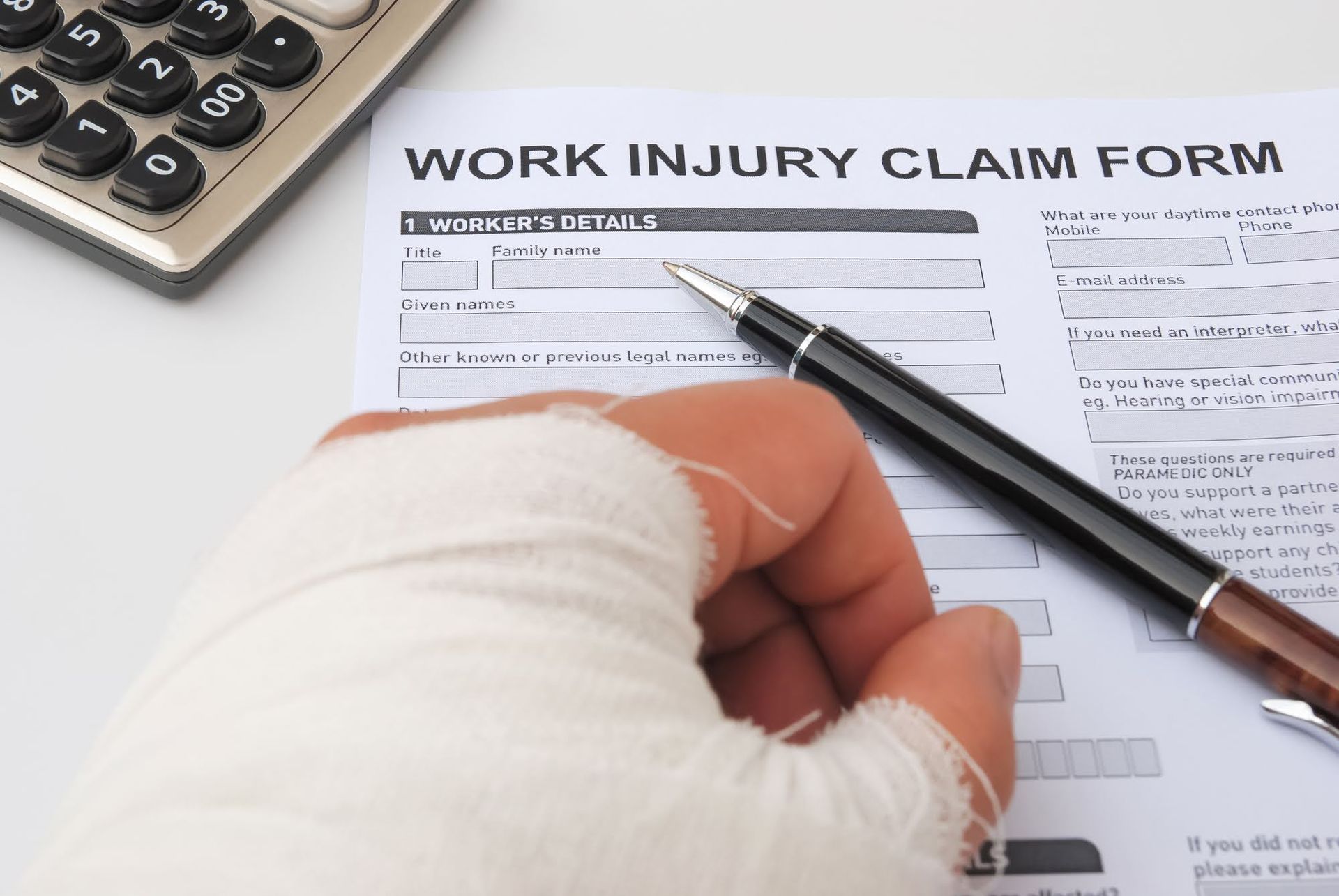
If you’ve been injured on the job, you may be entitled to workers’ compensation benefits. These benefits are designed to cover medical expenses and lost wages while you recover from your injury. However, navigating the workers’ comp claim process can be confusing and overwhelming. That’s why it’s important to know when to call a lawyer for your workers’ comp claim. In this blog post, we’ll discuss the situations where it may be necessary to seek legal representation for your workers’ comp claim. By understanding these scenarios, you can ensure that you receive the full benefits you’re entitled to under the law.
Denial of Your Claim
One of the main reasons to call a lawyer for your workers’ comp claim is if your claim has been denied. Unfortunately, insurance companies often deny valid claims to save money. If this happens, it’s important to have an experienced workers’ compensation lawyer on your side who can fight for your rights. They can review the details of your case and gather evidence to support your claim, making it difficult for the insurance company to deny you the benefits you deserve.
Appealing a Decision
If your initial claim is denied or if you feel that you’re not receiving the full amount of benefits you’re entitled to, you may need to appeal the decision. This process can be complex and time-consuming, but having a lawyer on your side can make it easier. They can handle all the legal aspects of your appeal and ensure that you have the best chance of getting the benefits you deserve.
Pre-Existing Conditions
If you have a pre-existing condition that has been aggravated by a work-related injury, it may be necessary to call a lawyer for your workers’ comp claim. Insurance companies often use pre-existing conditions as an excuse to deny or limit benefits. However, with the help of a lawyer, you can prove that your current injury is directly related to your job and receive the full benefits you’re entitled to.
Disputes over Medical Treatment or Benefits
In some cases, you may be involved in a dispute with your employer or the insurance company over the type of medical treatment you’re receiving or the amount of benefits you’re entitled to. This can be a frustrating and stressful experience, but with a lawyer by your side, you can have someone who knows the law on your side. They can fight for your rights and ensure that you receive proper medical care and fair compensation.
Permanent Disability
If your workplace injury has resulted in permanent disability, it’s important to call a lawyer for your workers’ comp claim. Permanent disability benefits are often complex and difficult to calculate, especially if there are future medical expenses involved. A lawyer can help determine the full extent of your disability and ensure that you receive the appropriate benefits to cover your needs.
Employer Retaliation
Unfortunately, some employers may retaliate against employees who file workers’ comp claims. This can come in the form of demotions, pay cuts, or even termination. If you feel like your employer is treating you unfairly because of your claim, it’s important to call a lawyer. They can protect your rights and help you take legal action against any form of retaliation.
Navigating a workers’ comp claim can be overwhelming, especially if it involves legal disputes and complex calculations. That’s why it’s important to know when it’s time to call a lawyer for your workers’ comp claim. If you find yourself in any of the situations mentioned above, it’s best to seek legal representation from a qualified workers’ compensation lawyer. So, don’t hesitate to seek assistance if you feel overwhelmed or encounter any issues during your workers’ comp claim process.
For more info, contact us at Spooner & Perkins, P.C.

Workplace injuries are unfortunately all too common occurrences. But what happens if you’re injured at work while under the influence of medication? Will this impact your ability to receive workers’ compensation benefits? Can medication prescribed to you be held at fault for your workplace injury and result in a claim denial? In this article, we will explore the nuances of workers’ compensation in such situations.
What Does Workers’ Compensation Provide?
Having access to workers’ compensation when you’re unable to work due to an injury can bring great reassurance to you. Workers’ compensation is a form of insurance that provides wage replacement and medical benefits to employees who are injured while performing their job duties. This coverage is designed to protect both the employer and the employee in case of workplace accidents or injuries and is available in many industries.
Can You Be Denied Workers’ Comp if You’re Medicated When You Get Injured?
This is a tricky scenario that a professional workers’ compensation attorney can assist you with, especially if your workplace injury and claim are being denied due to medication use. Being under the influence of medication at the time of a workplace injury does not automatically disqualify you from receiving workers’ compensation benefits. However, if your employer can prove that your medication impaired your judgment or contributed to the accident, they may try to deny your claim. It’s essential to disclose any medications you are taking to your employer, along with your doctor’s notes, and seek legal advice to navigate this situation effectively.
Can a Preexisting Medical Condition Cancel Out Workers’ Compensation?
Having a preexisting medical condition does not necessarily cancel out your eligibility for workers’ compensation benefits. If your work-related injury worsens a preexisting condition or aggravates it, you may still be entitled to receive benefits. It’s crucial to provide thorough documentation and medical evidence to support your claim in such cases.
What Are Signs You Should Hire an Attorney to Assist You With Workers’ Compensation?
If you encounter any of the following situations, it may be wise to seek legal representation for your workers’ compensation claim:
- Your claim is denied without a valid reason.
- Your employer disputes the extent or severity of your injury.
- Your employer tries to blame your medication for the accident.
- You face challenges in receiving proper medical treatment or disability benefits.
Can Your Employer Deny Your Workers’ Comp Claim Without Cause?
Employers cannot deny workers’ compensation claims without a valid reason and should be transparent about their filings regarding your claim. If your employer disputes your claim, they must provide evidence to support their decision. In cases where there is a disagreement over the circumstances of the injury or the extent of coverage, an attorney can help protect your rights and ensure you receive the benefits you are entitled to.
How Do You Prove Your Medication Did Not Cause Your Workplace Injury?
Proving that your medication did not cause your workplace injury can be challenging but is essential for securing workers’ compensation benefits. To support your claim, you may need to provide:
- Medical records showing that your medication was prescribed and taken as directed.
- Testimony from healthcare providers confirming that the medication did not impair your ability to work safely.
- Witness statements or surveillance footage demonstrating that the accident was caused by factors unrelated to medication.
Being injured at work while you are medicated does not automatically disqualify you from receiving workers’ compensation benefits. By understanding your rights, seeking legal guidance when needed, and providing thorough documentation, you can navigate the claims process effectively and secure the support you need during challenging times. Call our legal team at Spooner & Perkins, P.C. today.

Working in the construction industry is both rewarding and demanding, and, unfortunately, it also comes with its share of risks. Construction workers face a variety of hazards each day on job sites that can lead to serious injuries. Understanding these injuries and the essential role of workers’ compensation is crucial for safeguarding your well-being and ensuring that you’re adequately supported in the event of an accident.
Common Injuries on Construction Sites
Construction sites are filled with potential dangers, which can manifest in numerous ways. Falls from heights, for instance, are one of the leading causes of injury in this sector. Workers may be tasked with performing tasks on ladders, scaffolding, or roofs, which significantly increases the risk of falling. The consequences of such falls can range from minor bruises to severe, life-altering injuries.
Additionally, injuries involving heavy machinery are alarmingly prevalent. Construction workers often use power tools and equipment that can pose serious hazards if not handled correctly. Accidents involving machines, such as cranes or excavators, can lead to crushing injuries or amputations. Repetitive strain injuries caused by the physical demands of construction work can accumulate over time, affecting joints, muscles, and overall mobility. Understanding the types of injuries prevalent in the industry helps workers stay vigilant and mitigate risks as much as possible.
The Importance of Workers’ Compensation
In the unfortunate event of a workplace accident, the workers’ compensation system is designed to provide financial assistance and support. This system ensures that injured workers can access necessary medical treatment without the burden of overwhelming costs. Workers’ compensation benefits can cover medical expenses, lost wages during recovery, and even rehabilitation costs. It operates as a safety net to facilitate the worker’s recovery and return to work.
Moreover, the workers’ compensation framework is built to protect both employees and employers. It ensures that workers receive appropriate compensation without having to engage in lengthy legal battles that could undermine the work environment. In exchange for these benefits, workers generally relinquish their right to sue their employer for negligence. This mutual agreement helps maintain a stable working relationship while also ensuring that injured employees do not face financial despair during their recovery process.
When to Consult a Workers’ Compensation Attorney
Navigating the workers’ compensation process can sometimes be complex. There may be instances where claims are denied, or the benefits supplied are insufficient. In such cases, consulting a skilled workers’ compensation attorney can be invaluable. An attorney with experience in this field can provide guidance on how to file a claim, represent you in disputes with insurers, and ensure that you receive the full range of benefits to which you are entitled.
Additionally, an attorney can help identify if there are other responsible parties involved, especially in situations where a third party may have contributed to the accident. Understanding the legal landscape surrounding your case can provide greater security and confidence as you seek the compensation you deserve.
Ensuring a Safer Work Environment
While workers’ compensation plays a pivotal role in providing relief for those injured on the job, it is equally essential to focus on prevention. Employers must foster a culture of safety, ensuring that all workers are aware of hazards and trained adequately. Implementing safety protocols, conducting regular training sessions, and maintaining equipment can significantly reduce the incidence of injuries on construction sites.
By prioritizing safety and understanding the available support via workers’ compensation, construction workers can better navigate the challenges posed by their jobs. It’s imperative not only to know your rights and resources but also to actively engage in creating a safer work environment for you and your colleagues.
Awareness of the potential risks associated with construction work and a solid understanding of workers’ compensation benefits empower construction workers to take appropriate measures for their safety. For more information about getting workers’ compensation for a construction site injury, contact us at Spooner & Perkins, P.C.
Workers’ Compensation for Brain Damage

Experiencing a brain injury due to a workplace incident is a life-altering event that demands immediate and effective action. Navigating the workers’ compensation system can be overwhelming, especially when dealing with the complexities that often accompany brain injuries. By understanding the nuances of workers’ compensation related to brain injuries, affected individuals can better ensure they receive the support and benefits vital for their recovery and future well-being. Read on to learn more.
Understanding Brain Damage
Brain damage, a severe and often life-altering injury, can arise from various workplace accidents. Whether due to a fall, being struck by an object, or exposure to harmful substances, brain injuries can significantly impact an individual’s ability to work and perform daily activities. Understanding the nature and extent of brain damage is crucial for both employees and employers in addressing claims for workers’ compensation.
Types of Brain Injuries
Brain injuries can be categorized into traumatic and non-traumatic brain injuries. Traumatic brain injuries (TBIs) are often caused by external physical forces, such as a blow to the head during a construction accident or a slip and fall in an office. TBIs can range from mild concussions to severe cases resulting in long-term cognitive impairments. Non-traumatic brain injuries, on the other hand, might involve internal factors like strokes, aneurysms, or exposure to toxins that affect brain function. Regardless of the cause, the repercussions of brain injuries necessitate a comprehensive approach to workers’ compensation.
The Process of Filing a Workers’ Compensation Claim
Filing a workers’ compensation claim for brain damage involves several crucial steps. First, it’s imperative to report the injury to the employer as soon as possible. This report should include a detailed account of the incident, symptoms observed, and any initial medical treatment received. Prompt reporting is essential to initiate the compensation process and ensure all necessary legal timelines are adhered to.
Second, seeking immediate medical attention is critical. A thorough examination by a medical professional not only aids in diagnosing the severity of the brain injury but also provides essential documentation required for the claim.
Legal Representation and Advocacy
Given the complex nature of brain injuries and the intricacies involved in workers’ compensation laws, it is often beneficial for claimants to seek legal representation. An experienced workers’ compensation attorney can navigate the legal landscape, ensuring that all necessary documentation is submitted accurately and timely. Legal counsel can also advocate on behalf of the injured worker, negotiating with insurance companies and representing the claimant in hearings or appeals if the initial claim is denied.
Compensation and Benefits
Workers’ compensation benefits for brain injuries can include a range of financial aids to support the injured worker and their family. These benefits typically cover medical expenses related to the injury, including hospital bills, rehabilitation, prescription medications, and necessary medical equipment. Additionally, workers may receive compensation for lost wages if the injury results in the inability to work temporarily or permanently. In cases of severe brain damage, long-term disability benefits may be available to assist with ongoing living and medical expenses.
Challenges and Considerations
Despite the provisions available through workers’ compensation, obtaining adequate compensation for brain injuries can present challenges. Insurance companies may dispute the severity of the injury or the extent to which it impacts the worker’s abilities. Additionally, brain injuries often have complex and evolving symptoms, requiring detailed medical evaluations and perhaps the involvement of multiple healthcare providers.
Navigating these challenges requires a diligent, meticulous approach. Keeping thorough records, obtaining comprehensive medical evaluations, and maintaining open communication with employers and legal representatives can help ensure that injured workers receive the compensation and support they are entitled to.
Brain damage incurred in the workplace is a serious issue that necessitates an informed and proactive approach to workers’ compensation. Understanding the types of brain injuries, the process of filing a claim, and the importance of legal representation can significantly impact the outcome of a workers’ compensation case. By ensuring timely reporting, seeking appropriate medical care, and leveraging legal expertise, injured workers can better navigate the complexities of the workers’ compensation system and secure the benefits needed for their recovery and future. If you’ve been injured at work, contact our associates at Spooner & Perkins, P.C. for more information.

Navigating the complexities of workers’ compensation can be a daunting task for both employees and employers. Understanding the various factors that might influence the compensation amount is crucial for ensuring that injured workers receive fair and adequate support. Today’s article will cover six key factors that can significantly impact the amount of workers’ compensation.
Nature and Severity of the Injury
The type and extent of the injury play a pivotal role in determining compensation. Minor injuries like sprains or small cuts might result in relatively lower compensation compared to severe injuries such as fractures, amputations, or chronic illnesses caused by workplace conditions. Medical reports and assessments by healthcare professionals are essential in establishing the severity and subsequent financial implications.
Duration of Disability
The length of time an employee is unable to work directly impacts the compensation they receive. Temporary disabilities, which allow employees to return to work within a reasonable period, generally result in lower compensation payouts. These situations might include injuries that heal relatively quickly, such as minor fractures or sprains, allowing the employee to resume their duties after a short recovery period. On the other hand, permanent disabilities, which might impair an employee’s ability to perform their job indefinitely, demand higher compensation to offset long-term financial and medical needs. These cases could involve severe injuries or chronic conditions that lead to enduring limitations, requiring ongoing medical treatment, rehabilitation, and potentially the need for adaptive equipment or modifications at the workplace.
Wages and Earning Capacity
An employee’s pre-injury wages and their capacity to earn post-injury are significant determinants of compensation amounts. Higher-earning employees typically receive higher compensation due to the larger gap in lost wages. Additionally, if an injury reduces an employee’s ability to earn at their previous capacity, the compensation amount may increase to account for the disparity between pre-injury and post-injury earnings.
State and Local Regulations
Workers’ compensation laws vary widely by state and locality, influencing the compensation amount considerably. Each jurisdiction has its guidelines, cap limits, and calculation methods for different types of injuries. These laws can encompass everything from minor injuries, like sprains or strains, to more severe cases, such as permanent disabilities resulting from workplace accidents. Understanding these regional regulations is crucial for both employers and employees to determine the rightful compensation due in each unique scenario. Employers must stay informed about the specific policies to ensure compliance and avoid potential legal pitfalls, while employees need to be aware of their rights and entitlements to secure the benefits they deserve after an injury.
Pre-existing Conditions
The presence of pre-existing conditions can complicate the evaluation of a workplace injury. If an injury exacerbates a prior condition, the extent to which the workplace incident has aggravated the existing condition needs careful assessment. Accurate documentation and medical history play a vital role in ensuring the compensation adequately reflects the impact of the work-related injury on the pre-existing condition.
Employer’s Compliance and Insurance Policy
An employer’s adherence to workers’ compensation regulations and their insurance policy details also influence compensation amounts. Employers are required to maintain valid workers’ compensation insurance policies that meet state mandates. Non-compliance can result in penalties and may impede the resolution of compensation claims, potentially leading to protracted legal battles that delay or diminish the final compensation amount received by the employee.
Understanding these factors can help both workers and employers navigate the often complex landscape of workers’ compensation. By being well-informed, employees can ensure they receive fair compensation for workplace injuries, while employers can maintain compliance and foster a safer work environment. If you need help getting the right workers’ compensation amount for your injury, contact us at Spooner & Perkins, P.C. for help.
Workers’ Compensation for Remote Workers

In recent years, the rise of remote work has transformed the traditional office landscape. With more employees telecommuting than ever before, new questions and challenges have emerged regarding workers’ compensation. While remote work offers flexibility and convenience, it also raises important considerations when it comes to workplace injuries and compensation for remote workers.
In this blog post, we’ll explore what remote workers need to know about workers’ compensation and how to navigate this complex landscape in the age of telecommuting.
Understanding Remote Work and Workers’ Compensation
Remote work, also known as telecommuting or telework, is all about getting to work from a cozy spot outside the office, like home or a cool remote location. It’s flexible and can be a great way to get things done.
Coverage for Remote Workers
One of the most common questions among remote workers is whether they are covered by workers’ compensation in the event of a work-related injury or illness. The answer depends on various factors, including the nature of the injury, the circumstances surrounding the incident, and the laws of the state where the employee is based.
In general, remote workers are eligible for workers’ compensation benefits if they sustain an injury or illness while performing work-related duties, regardless of their location. This means that if a remote employee is injured while working from home or another remote location, they may be entitled to receive workers’ compensation benefits to cover medical expenses, lost wages, and other related costs.
Establishing a Connection to Work
One of the key factors in determining eligibility for workers’ compensation benefits for remote workers is establishing a connection between the injury or illness and the performance of work-related duties. In other words, the injury must have occurred while the employee was engaged in activities directly related to their job responsibilities.
For example, if a remote worker slips and falls while taking a break to make lunch in their kitchen, they may not be eligible for workers’ compensation benefits because the injury did not occur while performing work-related duties. However, if the same employee sustains a repetitive strain injury while typing on their computer, they may be eligible for benefits because the injury occurred while performing job-related tasks.
Reporting Work-Related Injuries
Just like employees who work in traditional office settings, remote workers are required to report work-related injuries or illnesses to their employer as soon as possible. This allows the employer to initiate the workers’ compensation claims process and provide the necessary support and resources to the injured employee.
Remote Work Safety Tips
While remote work offers many advantages, it also presents unique safety challenges that employees must be aware of to prevent work-related injuries and illnesses.
Here are some tips for remote workers to stay safe while working from home:
- Maintain a designated workspace that is free from hazards and distractions.
- Use ergonomic furniture and equipment to reduce the risk of repetitive strain injuries.
- Take regular breaks to stretch and move around to prevent muscle fatigue and stiffness.
- Practice good posture and ergonomic techniques while sitting at a computer.
- Keep work areas clean and organized to prevent trips, slips, and falls.
- Take steps to reduce eye strain and fatigue by adjusting screen brightness and taking regular breaks from screens.
By following these safety tips and being proactive about reporting work-related injuries, remote workers can help protect their health and well-being while working from home.
As remote work continues to become more prevalent, remote workers need to understand their rights and responsibilities regarding workers’ compensation. While the laws and regulations surrounding workers’ compensation for remote workers can be complex, knowing what to do in the event of a work-related injury or illness can help ensure that remote employees receive the support and benefits they need to recover and return to work safely. By staying informed and proactive, remote workers can navigate the complexities of workers’ compensation in the age of telecommuting with confidence and peace of mind.
Contact us to learn more.

Workplace trauma, whether emotional or physical, is, unfortunately, a reality that many professionals across various industries face. Workers compensation, a crucial part of the employer-employee dynamic, provides essential support in these distressing moments. But just what kinds of trauma are considered in the worker’s comp claim process? Understanding the various types of trauma that can lead to a workers comp claim is vital knowledge for all who participate in the workforce.
Defining Workplace Trauma
Trauma, in general, is an incident that results in significant distress for an individual. In the workplace context, this can manifest in several ways, each with its severity and impact on the individual’s well-being.
Physical Injuries
Common examples of physical trauma that could qualify for workers comp include:
- Falls leading to severe injuries
- Machinery accidents causing loss of limbs
- Repetitive stress damage over time
- Violence or aggression from co-workers or members of the public
Occupational Diseases
While often associated with long-term exposure, diseases such as mesothelioma or silicosis also fall under the umbrella of trauma qualifying for workers comp.
Emotional and Psychological Trauma
The complexities of emotional and psychological trauma are often more difficult to substantiate but no less significant. Issues that can arise in the workplace and qualify for workers comp include:
- Witnessing a traumatic event
- Bullying and harassment
- Post-traumatic stress disorder (PTSD)
The Worker’s Comp Qualification Process
For any trauma to be considered under workers comp, there are several key elements:
Causation
The trauma must have occurred while the employee was performing their job duties. This clause is fundamental in making a legitimate workers comp claim.
Physical Manifestation
In the case of emotional or psychological trauma, workers comp typically requires a physical manifestation of the condition, such as stress-induced physical symptoms, to qualify for benefits.
Notification
Employees are usually required to inform their employer promptly about any incident. Failure to do so can complicate the claims process.
Medical Certification
Medical documentation is essential to any workers comp claim. The diagnosis must be made by a professional and support the fact that the trauma is a result of a workplace incident.
Examples of Trauma That Can Lead to Workers Comp Claims
Physical Assaults or Incidents
Incidents of physical assault or altercations with customers or co-workers can result in injuries that lead to a workers comp claim.
Severe Work Accidents
These might include a collapse of a structure at a construction site, heavy machinery-related accidents, or any severe injuries sustained during a work-related activity.
Post-Traumatic Stress Disorder (PTSD)
Those who experience or witness traumatic events at work may develop PTSD, such as first responders or those in a high-stress environment, resulting in a compensable workers comp claim.
Occupational Stress
Long-term exposure to stressful and overwhelming work conditions, often with no respite, can manifest as physical symptoms and lead to workers comp claims.
Employer and Employee Responsibilities
When Trauma Occurs
Employers should provide immediate assistance to the employee, ensuring they receive care and understand the steps to file a workers comp claim.
Documentation
Employees should document the incident, gather witness statements, and keep thorough records to support their claims.
Seeking Legal Advice
For complex or challenging cases, seeking legal advice may be necessary to ensure the rights and best interests of the employee are protected.
Final Considerations
Understanding Your Rights
It’s crucial for all employees to understand their rights and protections under workers compensation laws in their state or country.
Seeking Support
Support from family, friends, and mental health professionals can serve as a crucial part of the recovery process and help in navigating the claims experience.
No matter the nature of your work, it’s important to be aware of the potential traumatic events that could occur and the avenues for support available to you. By understanding the types of trauma that are covered by workers comp and the process involved in making a claim, you can better protect yourself and your colleagues in times of need.
Contact us for more information.

Losing a loved one in a fatal work accident can be one of the most challenging experiences a person can face. Not only are you dealing with the emotional trauma of the loss, but you may also be facing financial challenges due to medical bills, funeral expenses, and loss of income. During these difficult times, hiring a personal injury attorney can help ease the burden and provide you with the support you need to navigate the legal process. In this blog post, we will discuss the benefits of hiring a personal injury attorney after a loved one dies in a fatal work accident.
Legal Expertise:
Personal injury attorneys specialize in handling cases involving workplace accidents and wrongful death. They have the knowledge and experience to navigate the complexities of the legal system and ensure that your rights are protected. By hiring a personal injury attorney, you can rest assured that you have a knowledgeable advocate working on your behalf.
Emotional Support:
Dealing with the loss of a loved one is an emotionally challenging experience. A personal injury attorney can provide you with the emotional support you need during this difficult time. They can help you understand the legal process, answer any questions you may have, and provide you with guidance on how to move forward. Having a compassionate and understanding attorney by your side can make a significant difference in your ability to cope with the situation.
Investigation and Evidence:
After a fatal work accident, it is crucial to gather evidence and conduct a thorough investigation to determine the cause of the incident. Personal injury attorneys have the resources and connections to conduct a comprehensive investigation, including interviewing witnesses, reviewing company records, and consulting with experts in the field. This information is essential in building a strong case and holding the responsible parties accountable.
Compensation:
One of the key benefits of hiring a personal injury attorney is that they can help you seek compensation for your losses. This may include compensation for medical bills, funeral expenses, loss of income, and pain and suffering. Personal injury attorneys have the resources and expertise to develop a strong case and negotiate with insurance companies to ensure that you receive the compensation you deserve.
Legal Representation:
In cases involving fatal work accidents, it is not uncommon for employers or insurance companies to try to minimize their liability and compensate you for less than what you are entitled to. A personal injury attorney can provide you with the legal representation you need to fight for your rights and ensure that you receive fair compensation. They will work hard to develop a strong case on your behalf and advocate for your best interests.
Peace of Mind:
Hiring a personal injury attorney after a loved one dies in a fatal work accident can provide you with peace of mind knowing that you have a skilled advocate on your side. They will handle all aspects of your case, from gathering evidence to negotiating with insurance companies, allowing you to focus on healing and processing your grief. Knowing that you have a dedicated legal professional working on your behalf can provide you with the reassurance and support you need during this challenging time.
Losing a loved one in a fatal work accident is a devastating experience that no one should have to face alone. By hiring a personal injury attorney, you can ensure that your rights are protected, seek fair compensation for your losses, and receive the support and guidance you need to navigate the legal process. If you have lost a loved one in a fatal work accident, contact our office today for help. We can provide you with the expertise, compassion, and advocacy you need to move forward with your life.

Companies have the legal obligation to ensure the safety of their employees while on the job. Employees expect their employers to take necessary measures to prevent accidents and injuries in the workplace, but sometimes, this responsibility is not taken seriously. When an employee suffers harm at work due to safety violations, they have the right to be compensated. This is where workers’ compensation lawyers come in.
In this blog post, we will explore the vital role that workers’ compensation lawyers play in safety violation cases. We’ll examine how they help protect employee’s rights, educate companies about safety compliance, and ensure a better work environment for employees.
Understanding the Rights of Injured Workers
When workers sustain an injury or illness as a result of a safety violation, workers’ compensation law provides them with remedies for recovery. However, not all employees are aware of their legal rights or how to access them. Workers compensation lawyers are highly trained professionals specializing in workers’ compensation law. They can help injured employees understand their rights, determine the benefits they are entitled to, and guide them throughout the legal process.
Advocating for Workplace Safety
Lawyers specializing in workers’ compensation law understand the complexities of safety regulations and have a successful track record and experience handling related cases. When a safety violation occurs in the workplace, lawyers can help to pursue legal action that will compel employers to implement and maintain safety measures and standards. This is an essential tool to enforce compliance with safety regulations, providing employees with a safe and healthy work environment.
Helping Employers Avoid Safety Violations
Workers’ compensation lawyers do not just represent injured employees; they also offer legal assistance to employers to avoid safety violations in the workplace. Most employers are not knowledgeable about safety regulations but are concerned about their liability when the accidents occur. Lawyers specializing in workers’ compensation law can offer advice that helps employers understand the requirements of safety regulations and ensure they develop effective safety policies, have proper training, and maintain a safe work environment for employees.
Navigating Legal Proceedings
In cases where safety violations result in injury to employees, workers’ compensation lawyers defend the rights of the injured employee. The lawyers guide the injured employee through the complex legal processes associated with filing for compensation or filing a lawsuit in court. They gather vital pieces of evidence that can help support the employee’s claim and represent them in administrative hearings or trials. With extensive legal knowledge and experience, workers’ compensation lawyers ensure the injured employee receives the compensation they are entitled to.
Mediating Settlement Agreements
Workers’ compensation lawyers’ primary goal is to ensure injured employees receive the compensation they deserve. While the legal process usually takes time and requires resources, a settlement agreement can often be reached between the employee and the employer, providing a quicker resolution. Workers compensation lawyers act as professional mediators, negotiating settlements between employees and employers outside of court to help employees achieve a fair settlement without prolonging the legal process.
Employers have a legal and moral obligation in the workplace to provide a safe and hazard-free work environment for employees. In case of safety violations, workers’ compensation lawyers play a vital role in helping injured employees receive compensation for lost wages, impairment claims, and medical bills while holding employers accountable for their negligence.
As such, workers’ compensation lawyers help ensure a safe working environment and a better quality of life for employees, ultimately fostering more productive and happier coexistence in the workplace. Let us make the workplace a safer and healthier environment for all employees. By understanding the crucial role of workers’ compensation lawyers in safety violation cases, we can protect our rights and advocate for better compliance with safety regulations.
If you are in need of a workers compensation lawyer, contact Spooner & Perkins P.C. Attorneys at Law today.
Connect with us


- July 2026
- June 2026
- May 2026
- April 2026
- March 2026
- February 2026
- January 2026
- December 2025
- November 2025
- October 2025
- September 2025
- August 2025
- July 2025
- June 2025
- May 2025
- March 2025
- December 2024
- November 2024
- October 2024
- September 2024
- August 2024
- July 2024
- June 2024
- April 2024
- February 2024
- January 2024
- December 2023
- November 2023
- September 2023
- August 2023
- May 2023
- April 2023
- March 2023
- February 2023
- January 2023
- November 2022
- October 2022
- September 2022
- August 2022
- July 2022
- May 2022
- April 2022
- March 2022
- February 2022
- January 2022
- November 2021
- October 2021
- September 2021
- June 2021
- May 2021
- April 2021
- March 2021
- February 2021
- January 2021
- November 2020
- January 2019
- November 2018
Archives

Contact Us
- 816-572-6324
-
1201 East Street
Parkville, MO 64152
Hours
Mon-Fri 8:00am-5:00pm
Sat-Sun Closed
Call Us 24 Hours a Day