TIPS TO HELP YOU REGAIN YOUR LIFE AFTER AN ACCIDENT

An accident can affect your life in various ways. Your body, mind, and finances can all suffer. You need to take active steps to minimize these effects and get your life back on track. Otherwise, the effects might be long-term or permanent. Below are some mitigation measures that can help.
Get the Best Medical Care Possible
Your priority should be to recover your pre-accident health as soon as possible. Getting medical care can help you do this. For example, you should:
- Ride an ambulance to the hospital if you have serious injuries or if the first responders suggest it
- Consult relevant specialists, such as orthopedists, if your general physician suggests it
- Follow your doctors’ instructions to the letter
- Practice healthy living, for example, by exercising and eating nutritious foods
Consider assistive devices, such as hearing aids or wheelchairs, in case of permanent injuries.
Seek and Accept Help
Many accidents cause both physical and mental limitations. For example, you might struggle with:
- Engaging in tasks that require memory problems
- Standing for long periods
- Sitting for long periods
- Walking
- Carrying heavy things
You might be frustrated if you have to depend on others while recovering. However, trying to do everything on your own can hinder your recovery. Do not hesitate to ask and accept help, whether paid or free.
Lean on Your Friends
Accidents cause both physical and emotional injuries. An accident can leave you depressed, anxious, and socially withdrawn. For some people, recovering from emotional injuries takes more time than recovering from physical injuries. Leaning on your loved ones can help accelerate your recovery.
Consider:
- Sharing your fears and feelings with friends and family members
- Accepting help from your loved ones
- Enjoying social engagements with your loved ones
The idea is not to suffer in silence. Your loved ones can even help you get help if you share your experiences with them.
Seek Professional Counseling
Extreme psychological problems require professional intervention. Do not hesitate to seek therapy if your problems overwhelm you. Also, consider therapy if your loved ones suggest it since they might notice some of your emotional issues sooner than you.
Don’t Delay a Return to Normal Life
A return to normal life can also help your post-accident recovery. Try to get back to your pre-accident routine once you have physically healed. Resume the activities that you used to enjoy before the accident. For example, you might resume:
- Driving the kids to school
- Going on weekend hikes
- Doing your laundry
- Meeting friends for drinks
- Going to bed and waking up at definite times
Staying active will help both your physical and emotional healing.
Seek Maximum Compensation
An accident can affect your financial status in numerous ways. For example, you might:
- Miss work for some time
- Pay expensive medical bills
- Suffer expensive property damage
- Have to modify your house and car to accommodate a disability
- Require help with everyday chores
The best way to recover your finances is to seek maximum compensation from the liable party. A few tips to help you get maximum compensation include:
- Gathering and preserving evidence of your accident
- Including all the potential defendants in your accident claim
- Understanding and valuing your damages accurately
- Hiring a lawyer to negotiate or litigate your claim
- Understanding what the law says about your injury
Spooner & Perkins Attorneys at Law can play a part in helping you reclaim your life after an accident. We can analyze your accident circumstances and help you get the damages you deserve. Contact us today to start working on your case. We look forward to seeing you soon and answering any questions you may have.
Workplace injuries can find you ill-prepared for the subsequent legal process. Often, injured workers make costly mistakes that reduce their potential compensation. Thus, you need to know the proper steps to take after a workplace injury to receive the benefits you deserve. Learn about some mistakes to avoid after a workplace accident.
Failure to Report the Accident Promptly
Some injured workers hesitate to report a workplace injury out of fear that it will affect their income or job. If you wait to see how serious the injury is, you give your employer a window to deny that the accident happened at work.
What’s more, state laws provide workers with a time limit to report workplace incidents. For example, Missouri gives employees 30 days to report an accident or discovery of injuries to supervisors. If you miss this window, you may have a difficult time to prove that the injuries happened at work. Moreover, you may get a reduced compensation or none at all.
Most employers also require employees to file a first report immediately. Your employer can reprimand or suspend you without pay if you fail to report the injury promptly. You should notify your employer in writing and include the injury’s date, place, and time. Keep a copy of this notification to show your attorney.
Failure to Seek Medical Care
Resist the urge to wait out or downplay work-related injuries. Prompt medical treatment offers two major advantages. First, it gives employers or insurance companies less room to deny that the injuries are work-related. Next, you set yourself up for a quick recovery if you start the treatment process early.
Often, employees don’t seek medical care for injuries they deem to be minor. However, waiting can affect the amount of compensation you get. Also, let the doctor know all your symptoms, however minor. If you mention other injuries later, the insurance company may claim that you are exaggerating your injury because you want to get more compensation than you deserve.
You should visit the nearest emergency room for urgent medical conditions. If your injury isn’t severe, check your state’s guidelines on where to go for treatment. In Missouri, employers choose health care providers for their injured employees. However, you can petition the state’s Department of Labor Workers’ Compensation division to change a doctor.
Failure to Resume Work When You Can
While you may want to take all the time you can to recover, you may jeopardize your benefits if you go against the doctor’s recommendations for work resumption. The doctor may recommend lighter duties or mandate your employer to fit you in a less demanding job.
However, the physician may keep you off work until you reach maximum medical improvement (MMI). In other words, you resume work after you have healed from the injury as much as the doctor expects you to.
However, insurers can pressure physicians into releasing injured employees to go back to work. In fact, the insurer can send you to another physician for an Independent Medical Exam. Keep in mind that your employer shouldn’t force you to go back to work. Thus, consult an attorney if an employer or insurer harasses you.
Failure to Consult an Attorney
Employers involved in personal injury cases may try to rid themselves of liability. On the other hand, insurers want to pay as little compensation as possible. Thus, none of these parties represent your interests.
In contrast, a personal injury attorney protects your rights and negotiates favorable settlement offers. Moreover, an experienced lawyer knows how to deal with aggressive insurers. The employer may attempt to fire or demote you in other cases, and you need expert legal advice to fight back.
If you sustained injuries at work, you deserve the time to heal and recover. Our legal team at Spooner & Perkins, P.C., Attorneys at Law will prepare the best case for you so you can rest. Contact us today for professional legal guidance.
WHY HIRE A LAWYER WITH SPECIALIZED EXPERIENCE
The legal profession has different specializations, such as criminal, injury, and family law. Some lawyers handle cases in different legal specializations, while others specialize in specific areas. Your lawyer will tell you whether they can handle your case during the consultation. However, consulting a specialized lawyer has several benefits over consulting a general lawyer.
Below are some reasons to consider a specialized lawyer.
Familiarity With Local Judges
A specialized lawyer understands the local courts, prosecutors, and judges better than a generalist does. For example, a family lawyer probably understands the judges who usually handle divorce cases better than a personal injury lawyer does. The knowledge comes from the numerous family law cases that the lawyer has handled over the years.
Intimate knowledge of the local court means the specialized lawyer:
- Understands how the judges rule on certain cases
- How much leeway the judge can allow those in their courtrooms
That way, the lawyer can better prepare their strategies to give you the best outcome possible. For example, say your family lawyer understands that a certain judge has extremely unfavorable views of parents who don’t have time for their kids. Your lawyer can use the information to strengthen your custody battle by presenting strong evidence of your childcare history.
Adequate Relevant Experience
Experience plays a significant role in legal practice. Some of the things lawyers learn with experience include:
- Improving interpersonal relationships with clients
- Dealing with bureaucracy in court
- Negotiating cases, such as plea deals
A lawyer’s experience is even better if it comes from the same area of law. A specialized lawyer:
- Has a good understanding of local statutes that affect their legal area
- Has specific experiences that are not easy to get in other legal areas
- Understands the typical red flags of cases in their legal area
For example, a personal injury lawyer of ten years probably has better negotiation skills than an estate-planning lawyer of ten years. Personal injury cases involve more negotiation than estate planning.
Another example is a family lawyer may spot signs of hidden assets easier than a criminal lawyer could, even if both have practiced law for the same number of years. Hidden assets are common in divorce cases.
A criminal lawyer is also likely to have more courtroom experience than estate planning lawyers.
In short, specialization gives lawyers extensive experience within a short time.
Abundant and Relevant Contacts
Lawyers require more than skills and experience to prevail for their clients. Your lawyer will also rely on their contacts and relationship with other professionals your case may need. For example, some cases need expert witnesses or private investigators. A specialized lawyer may get the right expert faster than a generalist can.
For example, an experienced medical malpractice lawyer already has many expert witness contacts. The lawyer has probably worked with such witnesses in the past. Thus, the medical malpractice lawyer doesn’t need to start hunting for, interviewing, and vetting expert witnesses every time they have a case. The available contacts and working relationships save you time and money.
Peace of Mind
Legal cases are expensive and worrisome for many people. The more serious your case, the more is at stake, and the more you are likely to worry. Extreme worry is bad for your health, relationships, and even work. Hiring a specialized lawyer is one way of dealing with the worry. You may be able to rest easy knowing that your case is in the hands of the right person.
Spooner & Perkins, P.C., specialize in workers’ compensation and injury law. We have been active in this industry for decades. You can rely on us to pursue your rights and compensation aggressively. Contact us for a free initial consultation to review your case and determine the way forward.

If an incompetent driver borrows a car from someone, the legal theory of negligent entrustment allows you to pursue damages against the car owner. Below are four things you must prove to succeed with the negligent entrustment claim.
1. The Car Owner Entrusted Another Person With the Car
First, prove that the car owner entrusted another driver with their car. That is, the driver must have taken control of the car with the owner’s knowledge. An example is someone who loans their car to a neighbor or friend.
However, negligent entrustment law doesn’t apply if the driver acquired the car without the car owner’s knowledge. For example, the law won’t apply if someone steals your car and causes an accident with it.
2. The Person Was Incompetent
Secondly, prove the driver’s incompetency. You can use the following factors as proof.
Lack of Driving License
A driving license certifies that someone is fit to drive. Thus, someone without a driving license is unfit to drive. That is the case whether the person has never had a driving license or the authorities have suspended/revoked their license.
Intoxication
Intoxication impairs judgment, reduces reaction times, induces sleepiness, and has many other effects that make driving dangerous. Thus, an intoxicated person is an incompetent driver.
DUI Convictions
A history of DUI convictions is also a sign of incompetency. The correlation applies even if the driver wasn’t intoxicated when they received the car from its owner. The more the past convictions are, the more accurate this analysis is.
History of Recklessness
A history of reckless driving, especially recklessness that leads to accidents, also shows incompetency. For example, say the driver has been involved in a road rage incident, has multiple traffic tickets, among other driving mishaps. A reasonable person would agree that such a driver is incompetent.
Dangerous Medical Condition
Lastly, some medical conditions also make driving dangerous. For example, unexpected and frequent seizures increase the risk of an accident. Thus, a driver with such a health condition is incompetent.
3. The Car Owner Knew About the Incompetency
Third, negligent entrustment only applies if the car owner knew about the driver’s incompetency. This knowledge can be either actual or constructive.
Actual knowledge means that the car owner specifically knew that the driver was incompetent. For example, say the driver showed up staggering and with alcohol in their breath. In such a case, the car owner knew that the driver was intoxicated.
Constructive knowledge means that the driver should have known about the incompetency. Consider a junior teenager who borrows a car from their neighbor. The teenager doesn’t have a driving license, but the neighbor neither confirms this fact nor the teenager’s age. You can use negligent entrustment against the car owner if the teenager causes you injuries in an accident.
4. The Driver’s Incompetency Caused the Accident
Lastly, you should know that negligent entrustment only applies if the incompetency directly caused the accident. Consider a driver with a history of multiple DUIs who ends up drinking and driving after borrowing a car. You can pursue a negligent entrustment claim against the car owner if the intoxication causes the driver to lose control of the car and crash into you.
The situation is different if the driver crashes into your car because the car’s braking system is defective. In such a case, you have to use alternative legal theories to pursue your auto accident damages.
Spooner & Perkins P.C. have a long history of fighting for injury victims’ rights. We know the tactics insurance companies use to avoid spending a lot of money on your case. Contact us for a consultation on your auto accident case to determine how to get maximum compensation for you.
TIPS FOR REPORTING A WORKPLACE INJURY IN MISSOURI

How you resume work after a workplace injury affects your recovery, productivity, and workers’ compensation benefits. Involve all concerned parties in your return to work to minimize its effects on your life and make the process easy for everyone. Below are crucial tips that may help.
Get Adequate Medical Treatment
The first step in getting back to work is to recover from your injury, and the best way to hasten your recovery is to get adequate medical treatment. The choice of doctor who treats your injuries depends on state laws. For example, in Missouri, your employer chooses your treating physician. However, you must petition the workers’ compensation department before changing doctors.
Follow all instructions from your doctor. For example, you should consult specialists your primary physician may direct you to see. Otherwise, your recovery might delay, and you might not return to work on time.
Explain Your Job to Your Doctor
Explain your job and workplace duties to your doctor. The doctor needs the information so they can make an informed decision on when you can resume work and which duties you should avoid at any time. Many doctors will only clear you for work once you achieve maximum medical improvement.
For example, you might struggle to stand for long periods if you have a limb fracture. Explaining that your job requires long periods of standing to your doctor may help them delay your return to work until the fracture heals.
Communicate Your Recovery
Communicate your recovery to all relevant parties, including your doctor, workers’ compensation insurer, and employer. The employer needs your recovery details to know when to expect you back to work. You should especially notify your employer when your doctor clears you to return to work. Make the notification in writing.
Explain Your Disabilities and Limitations
You don’t have to completely recover before you return to work. You may resume work even if you cannot perform to your pre-injury levels. However, your supervisor or employer should know your limitations. That way, the employer knows that to expect from you and does not assign you duties you cannot handle.
For example, your employer should know if you cannot stand for long, cannot bend, or cannot carry heavy weights. Ideally, you should have a doctor’s medical report explaining your limitations; don’t expect the employer to take your word for it.
Obey Doctor Instructions
Don’t exceed your doctor’s instructions once you resume work. For example, don’t carry 50 pounds if your doctor has limited you to 20 pounds. Always seek clearance from your doctor before changing your work or handling more duties than the doctor prescribes. Otherwise, you might complicate your injuries and delay your recovery further.
Accept Workplace Changes
Lastly, don’t expect the workplace and your work to be the same as before the injury. Your employer may modify your work or workplace to suit your disability and limitations. For example, the employer may:
- Reassign you to a different department where you can work with your limitations
- Ask you to undergo further training so that they can assign you to different duties
- Give you a different schedule or modify your shifts to accommodate your injury
- Modify your workplace and duties, for example, by giving you a standing chair if your injury means you should not sit for extended periods
- Allow you more frequent breaks than other workers
Do your best to accept these changes even if you think they stifle your career projection.
Work resumption may terminate or reduce your workers’ compensation benefits. Contact Spooner & Perkins P.C. Attorneys at Law for help if you feel you are not receiving the benefits you should be receiving. We can also help you with any other workers’ compensation issue you may come across.
PROVING FAULT IN PERSONAL INJURY CLAIMS
A plaintiff in an auto accident case must prove the defendant’s liability to get compensation. Below are some legal theories you can use to prove liability.
Negligence
Negligence is a legal principle that makes someone liable for your injury if their carelessness has caused your injury. You must prove the following elements to succeed with a negligence claim:
- Duty: You need to prove that the defendant had a legal obligation to act in a manner that wouldn’t harm you. For example, as a pedestrian, other road users (such as motorists) have a legal obligation to drive safely to not harm you.
- Breach: Secondly, you must prove that the defendant failed in their duty of care. For example, a motorist who doesn’t stop at a pedestrian crossing has breached their duty of care to pedestrians.
- Causation: Third, you must prove that the defendant’s breach caused your injury. For example, a driver can cause your injury by running the red light and knocking you down.
- Damages: Lastly, you must prove that the defendant’s actions caused your actual injuries. That is, a near-miss of scare doesn’t count – you must suffer actual injuries to succeed with a negligent claim.
Negligence Per Se
Negligence per se is a stricter form of conventional negligence law. You must prove these things:
- The Defendant Violated a Law: Negligence per se claims only apply to cases where the defendant has breached an existing law or regulation. For example, the law requires motorists to stop when a school bus stops. Therefore, a motorist who overtakes a stopped school bus violates that law.
- The Law Enhanced Public Safety: Negligence per se claims only apply to violations of public safety laws. For example, the school bus law above keeps children safe since they lack the awareness to cross highways or roads safely.
- You Belong to the Class the Law Protects: You must prove that you are a member of the class that the violated law protects. These laws don’t apply if a motorist overtakes a stopped bus and knocks you down, but you are not a student, and you weren’t on the bus.
Strict Liability
The two forms of negligence above aren’t the only ways to prove liability in an accident. You can also use the legal theory of strict liability. This legal theory applies fault to a defendant without regard to the defendant’s fault.
Here is what you must prove to succeed with a strict liability claim:
- The Defendant’s Actions Were Unusually Dangerous: Strict liability only applies to activities that carry an unusual level of danger. For example, transporting explosives is a highly hazardous activity, so it’s subject to strict liability laws.
- You Suffered Injuries: You must also prove that you suffered actual injuries. Medical treatment history is usually adequate proof.
- The Defendant’s Action’s Caused Your Injuries: You must also link the defendant’s actions directly to your injuries. For example, you cannot use a strict liability claim if you crash your car due to distraction by a burning explosives truck.
Intentional Conduct
Lastly, you can also use intentional tort law to make someone pay for your injuries. Intentional tort laws apply to intentional acts or conduct. Here is what you must prove in this case:
- The Defendant Acted Intentionally: Intentional tort only applies if the defendant intended to commit the alleged act. For example, a driver commits an intentional act if they ram another car in a fit of road rage. Thus, road rage can trigger an intentional tort claim.
- The Defendant Caused You Injury: Secondly, you must tie the defendant’s intentional act to your injury. Indirect injuries don’t count.
- The Defendant Foresaw Your Injury: Lastly, you must prove that the defendant knew or should have known that their actions would cause you injury. For example, all drivers know that crashing into another car can cause injury.
Spooner & Perkins Attorneys at Law have decades of legal experience. Contact us to evaluate your case and help you pursue your accident damages.
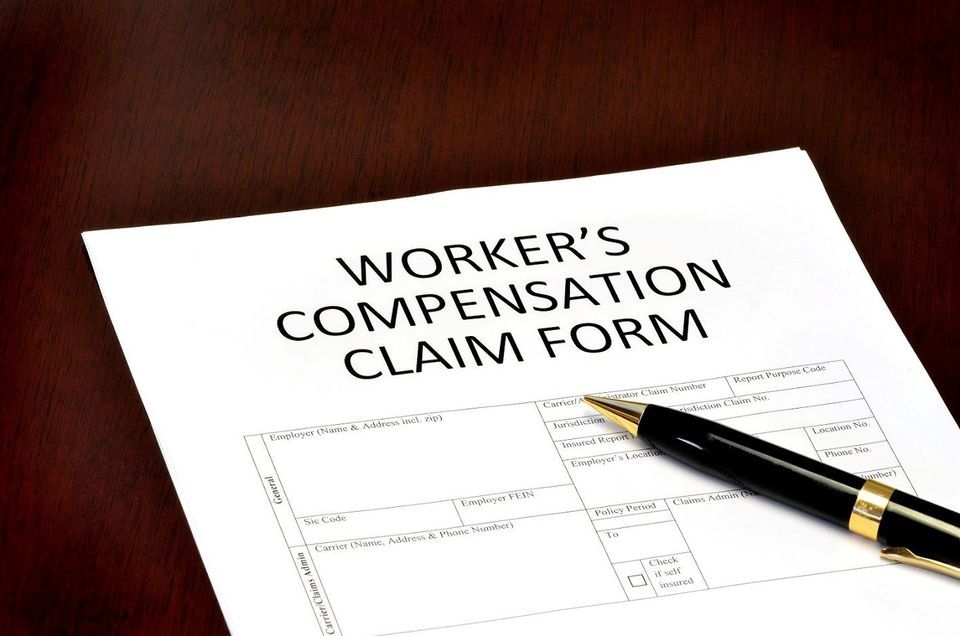
You can process workers’ compensation benefits without consulting a lawyer. However, legal consultation is advisable for complicated cases. A workers’ compensation lawyer can help you preempt and deal with the complications, thereby maximizing your benefits. Below are some issues that trigger the need for a lawyer.
Employer Difficulties
An injured employee, their employer, and workers’ compensation insurance all have duties to ensure the injured worker receives the benefits they deserve. For example, the employer should:
- Provide emergency medical care immediately after a worker reports an injury
- Complete an injury report for the injured worker
- Report the injury to workers’ compensation insurance
- Comply with all requirements from workers’ compensation insurance
- Not retaliate against you for filing a workers’ compensation claim
Most employers know and execute their duties, but some might not want to cooperate. Consult a lawyer if your employer is one of the difficult ones. The lawyer will know what to do to get you the compensation you deserve.
Claim Denial
You should also consult a lawyer if workers’ compensation insurance has denied your claim. Maybe you didn’t:
- Follow the right procedures
- File your application in time
- Provide all the relevant documents
- Prove the injury’s connection to your work
The lawyer will evaluate your case plus the initial application and help you appeal. Say your employer’s injury report wasn’t accurate enough, and workers’ compensation didn’t see the work-injury connection. Your lawyer may spot where the problem is, iron out the difficulties, and help you get the benefits.
Insufficient Benefits
Workers’ compensation benefits aren’t arbitrary; the law determines the specific benefits each injured employee deserves. For example, depending on the nature of your injuries, you should get:
- Reimbursement for medical treatment
- Compensation for lost wages
- Disability benefits
- Vocational rehabilitation
State law also determines the value of these damages. In some cases, you might not get all the benefits you deserve, or you might not get the exact amount you should get. Consult a lawyer if you feel the calculation has given you fewer benefits than you deserve.
Permanent Disability
Two things mean you need a lawyer if you have suffered a permanent disability. First, compensation for permanent disabilities should be higher than compensation for cases without disabilities. The more potential benefits, the higher the stakes are should something go wrong. Thus, permanent disability requires you to err on the side of caution and hire a lawyer.
Secondly, the calculations for permanent disability benefits are not always straightforward. For example, the calculation of permanent disability benefits in Missouri involves:
- The affected part of the body
- The severity of the injury
- Your average weekly pay
Average weekly pay and injured part of the body can be relatively easy to figure out. However, the severity of the injury is a common cause of dispute. A lawyer can help you prove your injury’s severity.
Preexisting Conditions
Workers’ compensation only compensates for work-related injuries. Workers’ compensation has to determine which of your injuries stem from the latest accident and which ones are preexisting. This determination isn’t always easy, and you can easily end up shortchanged. Using a lawyer from the beginning is a good way to preempt these difficulties,
Simultaneous Government Benefits
Lastly, you should also consider a lawyer if you are receiving or expecting government benefits. For example, Social Security Disability Benefits (SSDI) can affect your workers’ compensation benefits. The effect arises because you shouldn’t get double compensation for the same injury. Luckily, a lawyer can help you minimize this effect.
Spooner & Perkins P.C., Attorneys at Law, has been active in the workers’ compensation industry for over 55 years. We understand the difficulties workers go through when pursuing workers’ compensation benefits. Contact us for a consultation to help you recover your benefits as you focus on recovery.
TIPS FOR GETTING A LAWYER TO TAKE YOUR ACCIDENT CASE
Getting a lawyer to handle your accident case is not difficult. However, lawyers don’t sign all the clients that consult with them. Below are some tips to get a lawyer to handle your accident case.
Watch Out for Critical Deadlines
You have to notify the relevant parties after an auto accident. The relevant notifications depend on the type of accident, defendant, and intentions. For example, you must notify the police and your insurance carrier after an accident. You must also notify the liable party if you wish to pursue compensation.
Some notifications have strict deadlines. For example, you have 90 days to file an accident claim against a Missouri government agency or employee. You should file a civil claim within five years, which is the statute of limitations for Missouri injury cases.
Do everything within its deadline so that you don weaken your case. Otherwise, lawyers might be reluctant to take your case due to low chances of recovery.
Note that some exceptional circumstances can extend the statute of limitations. Thus, never assume that you are time-barred from filing a case. Consult a lawyer and let them decide.
Mitigate Damages
Accident victims have a duty to mitigate their damages. Damage mitigation measures include:
- Getting prompt medical care
- Following doctors’ instructions
- Getting back to work as soon as possible
- Securing and protecting damaged items, such as vehicles
Take such measures so that the liable party doesn’t accuse you of aggravating your damages. That way, your prospective lawyer will see that your damages directly stem from the defendant’s actions.
Be Honest
You should also be honest with the parties you will be dealing with. For example, you should be honest with:
- Your treating physician
- The independent medical examiner (IME)
- Your injury lawyer
- Your insurance company
You don’t have to volunteer information to those who don’t need it or those who might harm your case. However, if you answer a question or volunteer information, ensure it is nothing but the truth.
You should especially be honest with your lawyer. In fact, you should volunteer all the facts of the accident to your lawyer. Your lawyer needs the information to strengthen your case and anticipate potential defenses from the opposing side. Your honesty also strengthens your credibility, especially if your case proceeds to court.
Consult the Right Lawyer
Lawyers specialize in different areas of law. For example, some lawyers only handle family law cases (things like divorce), others deal with business issues, and others handle immigration matters. A personal injury lawyer is the right person to handle your accident claim. Other lawyers might turn down your case or refer you to their colleagues who can handle your case.
Preserve Evidence
Lawyers are interested in cases they can win. No lawyer wants to waste your or their time with an impossible-to-win case. Your evidence’s strength determines how likely you are to win and recover accident damages. The evidence depends on the nature of your case. Examples of evidence in an auto accident include:
- Pictures and surveillance videos of the accident
- Police report
- Your medical history
- Accident investigation reports
The evidence might get stale or disappear with time, thereby weakening your case. Move fast after the accident to secure and preserve various forms of evidence.
Manage Your Expectations
Your accident lawyer will evaluate your case and advise you on how to proceed. Although injury cases can be unpredictable, an experienced lawyer can get a good estimate of a case’s worth. Even if you don’t agree with the lawyer’s assessment, your expectations should fall within a reasonable range of the lawyer’s assessment.
Spooner & Perkins P.C., Attorneys at Law, have decades of experience in injury law. Contact us for a free consultation to review your case.
If you have filed an injury case, expect the insurance company to request an independent medical examination. Insurance companies use independent medical examinations to verify injuries and make an appropriate settlement offer. Below are some questions the independent medical examiner (IME) may ask you.
Have You Ever Had Any Previous Injuries?
The IME may use this question to assess any previous injuries you might have. If you answer in the affirmative, expect a follow-up question to determine the nature of your preexisting injuries. The goal is to determine if your preexisting injuries, and not the accident, caused your injuries.
Don’t forget that the defendant is only liable for the damages stemming from their actions and nothing more. However, you deserve full compensation if your accident aggravated your preexisting injuries. According to the eggshell skull rule, the defendant’s liability doesn’t reduce just because you were more susceptible to injuries than the average person.
What Problems Did You Experience at the Time of the Accident?
This question seeks to determine the nature of the injuries you experienced at the time of the accident. The IME will compare your answer to your medical records. Discrepancies in the two sources of information will undermine your creditability. An answer that corroborates the information in your medical records may strengthen your case.
What Did You Do After the Accident?
In this case, the IME wants to know whether your actions immediately after the accident contributed to your injuries. Say you felt a sharp pain in your back but went home for bed rest instead of seeking medical care. The defendant (through their insurance company) might argue that your action contributed to your injuries.
Don’t forget that you must mitigate your damages after an accident. Seeking prompt medical care is one way of mitigating your damages. Your actions after the accident may also reveal your injuries. For example, running to assist other victims might indicate that you weren’t seriously hurt.
On a Scale of 0 to 10, How Would You Rate Your Pain?
One reason for this question is to determine the level of your pain. Remember that pain and suffering are part of your overall damages. Another reason is to determine your credibility. The IME will compare your answer to your medical records. Your level of pain should be proportional to the injuries in your records.
Expect related follow-up questions from the IME. For example, the IME may ask you to rate your pain from a week ago and compare it with the current rating. Such follow-up questions check your consistency, determine your recovery progress, and determine your limits.
How Do You Spend a Typical Day?
The main purpose of the independent medical examination is to verify the injuries you claim. A review of your daily activities will help with the verification. If you are in pain and your doctor has ordered bed rest, a description of your daily activities should reflect the same. For example, claiming a bad back and engaging in strenuous physical activities is a contradiction.
Which Medications Are You Taking?
Your medications should correspond to your treatment, and medications are part of treatment. Your medications also point to the nature of your injury. For example, if you claim the highest level of pain, the IME will expect pain medication in your answer. Your answer will also verify whether you are following your doctors’ orders, which is also part of your damages mitigation.
Answer all questions honestly during your examination. However, don’t volunteer information that the IME doesn’t ask. Spooner & Perkins, P.C., can prepare you for the examination so that your actions or answers don’t harm your case. Contact us for a free initial consultation to review your case and determine the best way forward.
You should always be alert to the risk of burn injuries if you work in a restaurant kitchen. Luckily, many people work in commercial kitchens without suffering such accidents. Below are some helpful tips to help you avoid burn accidents in a restaurant kitchen.
Use Appropriate Safety Gear
Safety gear is necessary for every workplace. In a restraint kitchen, some of the safety gear you need includes:
- Protective gloves or mitts to prevent hand burns when handling hot items, such as pans
- Non-skid shoes to prevent slip and fall accidents, especially given the risk of fluid spills that can make kitchen floors slippery
- Splatter guards to prevent burn injuries from grease splatters
Use safety gear every day at work. Don’t get complacent even if you have many years of experience working in the kitchen.
Leave Emergency Exits Clear
Don’t block the emergency door, even temporarily. Put everything in the right place. You need the emergency door clear so that you can escape to safety in case a fire outbreak overwhelms the kitchen. You should also note where the emergency doors are on your first day of work. After all, you don’t know when you might need them.
Don’t Reach Over Hot Things
Never reach across or over hot things in the kitchen. Say you want to grab something on the other side of a hot pan, food, or water — don’t reach over it. Instead, walk around or ask someone on the other side to bring around the item you want. You might burn yourself if you slip and fall. For example, you might lose your balance if the item you want is heavier than it looks.
Avoid DIY Repairs
DIY repairs are not advisable in the kitchen unless you have the relevant skills and experience. You can easily make a mistake and trigger a burn accident. Specifically, you should not repair:
- Electrical items, such as electric cookers or electrical outlets
- Cooking appliances, such as ovens or ranges
- Fuel or energy delivery systems, such as gas lines
For example, you might think you have fixed an electrical outlet only to start an electrical fire when you try to use it. Follow your workplace’s protocol or inform your supervisor if something breaks down.
Obey Relevant Regulations
You should also follow all laws and regulations that govern kitchen safety. Good restaurants have safety regulations for their employees — including those that specifically relate to fire safety. You should attend all fire safety training and participate in fire drills your employer might commission.
The Occupational Safety and Health Administration (OSHA) also has regulations for restaurant safety. For example, OSHA requires all restaurants to have fire extinguishers and all employees to memorize all the devices’ locations. Ensure you understand and adhere to such OSHA regulations as closely.
Maintain Tidiness
Lastly, you should not underestimate the role of tidiness in burn prevention. Here are some examples of potential accidents in an untidy kitchen:
- You might slip and fall onto hot food, liquids, or utensils
- You might unwittingly start a fire if you have flammable debris in the kitchen
- Debris or carelessly placed items might block your path to the emergency doors
- Misplaced items might block the fire extinguishers
Make kitchen tidiness your responsibility. Encourage your colleagues in the kitchen to be tidy.
Hopefully, you won’t suffer burn injuries or any other injuries in your restaurant. If you suffer a work injury, don’t forget that you are entitled to workers’ compensation benefits. Spooner & Perkins, P.C., have the skills and experience to help you pursue the benefits. Contact us for a consultation to determine your benefits and help you get them.
Connect with us


- January 2026
- December 2025
- November 2025
- October 2025
- September 2025
- August 2025
- July 2025
- June 2025
- May 2025
- March 2025
- December 2024
- November 2024
- October 2024
- September 2024
- August 2024
- July 2024
- June 2024
- April 2024
- February 2024
- January 2024
- December 2023
- November 2023
- September 2023
- August 2023
- May 2023
- April 2023
- March 2023
- February 2023
- January 2023
- November 2022
- October 2022
- September 2022
- August 2022
- July 2022
- May 2022
- April 2022
- March 2022
- February 2022
- January 2022
- November 2021
- October 2021
- September 2021
- June 2021
- May 2021
- April 2021
- March 2021
- February 2021
- January 2021
- November 2020
- January 2019
- November 2018
Archives

Contact Us
- 816-572-6324
-
1201 East Street
Parkville, MO 64152
Hours
Mon-Fri 8:00am-5:00pm
Sat-Sun Closed
Call Us 24 Hours a Day